celexa controlled substance
Celexa controlled substance– A Deep Dive into Antidepressants and Regulation
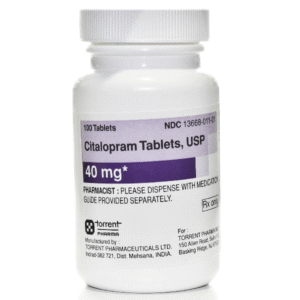
celexa controlled substance. In the vast landscape of medications designed to improve mental health, it’s natural for questions to arise about their nature, safety, and potential for misuse. Among the most common queries surrounding antidepressants like Celexa (citalopram) is whether they fall under the classification of “controlled substances.” This comprehensive guide aims to shed light on this important distinction, dispel common myths, and provide a clear understanding of how medications like Celexa are regulated and should be used.
So, if Celexa isn’t a controlled substance, why does this question come up so frequently? Understanding the nuances requires a deeper dive into what Celexa is, what controlled substances are, and the factors that contribute to public confusion.
What Exactly is Celexa (Citalopram)?
Celexa is the brand name for citalopram, a medication belonging to a class of drugs known as Selective Serotonin Reuptake Inhibitors (SSRIs).
How SSRIs Work:
SSRIs like Celexa are designed to increase the level of serotonin in the brain. Serotonin is a neurotransmitter, a chemical messenger that plays a crucial role in regulating mood, emotions, sleep, appetite, and other vital functions. In individuals experiencing depression or anxiety, serotonin levels may be imbalanced.
Celexa works by blocking the reabsorption (reuptake) of serotonin into the neurons that released it. This effectively leaves more serotonin available in the synaptic cleft (the space between neurons), allowing it to bind to receptors and improve communication between brain cells. This process, over time, can help alleviate symptoms of depression and anxiety.
Conditions Treated by Celexa:
Celexa is primarily approved by the U.S. Food and Drug Administration (FDA) to treat:
- Major Depressive Disorder (MDD): For individuals experiencing persistent sadness, loss of interest, fatigue, and other symptoms of clinical depression.
It may also be prescribed off-label for other conditions, such as:
- Panic Disorder
- Obsessive-Compulsive Disorder (OCD)
- Generalized Anxiety Disorder (GAD)
Like all medications, Celexa takes time to become fully effective (often several weeks) and can cause various side effects, particularly during the initial adjustment period.
Demystifying Controlled Substances
To understand why Celexa isn’t a controlled substance, it’s vital to grasp the definition and purpose of this classification.
A controlled substance is a drug or chemical whose manufacture, possession, or use is regulated by law. In the United States, this regulation falls under the purview of the DEA, pursuant to the Controlled Substances Act (CSA). The primary criteria for classifying a substance as “controlled” are:
- Potential for Abuse: The likelihood that the substance will be used for non-medical purposes or in a manner that deviates from prescribed guidelines.
- Potential for Physical or Psychological Dependence: The likelihood that repeated use of the substance will lead to the body adapting to its presence (physical dependence) or a compulsion to continue using it for its mental effects (psychological dependence).
- Medical Utility: Whether the drug has accepted medical use in treatment in the U.S.
Drugs are assigned to one of five schedules (I through V), with Schedule I drugs having the highest potential for abuse and no accepted medical use, and Schedule V drugs having the lowest potential for abuse.
The Schedules Explained (with examples):
- Schedule I: High potential for abuse, no currently accepted medical use in the U.S., lack of accepted safety for use under medical supervision.
- Examples: Heroin, LSD, MDMA (ecstasy), marijuana (federally).
- Schedule II: High potential for abuse, with use potentially leading to severe psychological or physical dependence. Currently has accepted medical use.
- Examples: Oxycodone (OxyContin), Fentanyl, Morphine, Adderall, Ritalin, Cocaine (for limited medical purposes).
- Schedule III: Moderate to low potential for physical and psychological dependence. Accepted medical use.
- Examples: Ketamine, anabolic steroids, Tylenol with Codeine.
- Schedule IV: Low potential for abuse relative to Schedule III. Accepted medical use.
- Examples: Alprazolam (Xanax), Diazepam (Valium), Zolpidem (Ambien), Lorazepam (Ativan). (Note: These are benzodiazepines, often mistaken for “controlled” in the same way as opioids, but they are Schedule IV).
- Schedule V: Low potential for abuse relative to Schedule IV. Accepted medical use. Contains limited quantities of certain narcotics.
- Examples: Cough medicines with codeine (e.g., Robitussin AC), Lyrica, Lomotil.
Celexa does not fit the criteria for any of these schedules. It does not produce a “high” or euphoria, nor does it typically lead to the compulsive drug-seeking behavior associated with addiction.
Why the Confusion? Factors Contributing to Misinformation
Given the clear regulatory status, why do so many people wonder if Celexa is a controlled substance? Several factors contribute to this common misconception:
1. Antidepressant Discontinuation Syndrome (ADS) – Often Mistaken for Withdrawal or Addiction:
This is arguably the biggest source of confusion. When a person stops taking an antidepressant like Celexa too quickly, or without proper medical guidance, they can experience a range of uncomfortable symptoms. These include:
- Flu-like symptoms: Nausea, vomiting, headache, sweating.
- Dizziness and lightheadedness.
- Sensory disturbances: “Brain zaps” (electric shock sensations), ringing in the ears.
- Sleep disturbances: Insomnia, vivid dreams.
- Mood changes: Irritability, anxiety, agitation.
These symptoms, which can be severe and distressing, are often referred to as “withdrawal,” leading people to assume the drug must be addictive like a controlled substance.
The Key Distinction: Dependence vs. Addiction
- Physical Dependence: This occurs when the body adapts to the presence of a drug and experiences physical symptoms if the drug is stopped or reduced. This is what happens with Celexa and other antidepressants if they are not tapered correctly. Many non-controlled substances can cause physical dependence (e.g., blood pressure medications, insulin). It does not necessarily imply addiction.
- Addiction (Substance Use Disorder): This is a complex brain disease characterized by compulsive drug seeking and use despite harmful consequences, and long-lasting changes in the brain. It involves specific behavioral patterns and a psychological craving, often driven by the drug’s ability to produce euphoria or alter consciousness in a highly reinforcing way. Celexa does not produce the euphoric “high” that drives addictive behavior. While physical reliance on the drug can develop, it does not typically lead to the compulsive, self-destructive patterns seen in addiction.
2. Strict Prescription Requirements:
All prescription medications, including Celexa, require a doctor’s order. This strict control over access can sometimes be misinterpreted as a sign of a “dangerous” or “controlled” substance, even though it simply indicates a medication that requires professional oversight for safe and effective use.
3. Side Effects and Initial Adjustment:
When first starting Celexa, some individuals experience side effects like nausea, anxiety, restlessness, or a feeling of being “out of it.” These uncomfortable sensations can lead people to believe the drug is powerfully altering their brain in a way akin to recreational drugs.
4. The Stigma of Mental Health Medication:
Unfortunately, there’s still a societal stigma surrounding mental health conditions and their treatment. This can lead to suspicion or misunderstanding about psychiatric medications, sometimes unfairly associating them with illicit drugs or addiction.
5. General Misinformation and Lack of Education:
The public often lacks a clear understanding of neurochemistry, pharmacology, and drug regulation. Terms like “dependence,” “addiction,” and “withdrawal” are frequently used interchangeably, blurring important distinctions.
Responsible Use of Celexa and Other SSRIs
Even though Celexa is not a controlled substance, it is a potent medication that must be used responsibly and under strict medical guidance.
- Prescription Only: Always obtain Celexa from a licensed healthcare provider and a legitimate pharmacy. Never share your medication or use someone else’s.
- Follow Dosage Instructions: Adhere precisely to your doctor’s prescribed dosage and schedule. Do not adjust your dose without consulting your healthcare professional.
- Do Not Stop Abruptly: If you wish to discontinue Celexa, always talk to your doctor. They will guide you through a gradual tapering process to minimize symptoms of antidepressant discontinuation syndrome. This “weaning off” strategy is vital for your comfort and safety.
- Report Side Effects: Communicate any new or worsening side effects to your doctor.
- Be Patient: It takes time for SSRIs to work. Do not expect immediate results, and continue taking the medication as prescribed even if you don’t feel better right away.
- Integrate with Therapy: For many, the most effective treatment for depression and anxiety involves a combination of medication and psychotherapy (e.g., Cognitive Behavioral Therapy – CBT).
The Broader Context: Normalizing Mental Health Treatment
The question “Is Celexa a controlled substance?” often stems from a place of concern, both about the medication itself and the broader implications of taking psychiatric drugs. It’s crucial to remember that addressing mental health conditions with medication is a legitimate and often life-changing part of healthcare.
Our brains are complex organs, and like any other part of the body, they can experience imbalances or dysfunctions that benefit from medical intervention. Taking an antidepressant for a chemical imbalance in the brain is no different in principle than taking medication for high blood pressure or diabetes. By understanding and addressing these misconceptions, we can help reduce the stigma surrounding mental health treatment and encourage more people to seek the help they need without fear or judgment.
Conclusion: Informed Choices for Better Mental Health
To reiterate, Celexa (citalopram) is definitively not a controlled substance. Its regulation differs significantly from drugs with high abuse potential, primarily because it does not produce a “high” or lead to the compulsive drug-seeking behavior characteristic of addiction.
The discomfort experienced when discontinuing Celexa without proper tapering is a sign of physical dependence, a common adaptive response of the body to many medications, not an indicator of addiction.
Knowledge is power, especially when it comes to your health. By understanding the true nature of medications like Celexa, how they work, and how they are regulated, individuals can make informed decisions in partnership with their healthcare providers. If you have questions or concerns about Celexa or any other medication, always consult with your doctor or pharmacist. Your mental well-being is paramount, and safe, informed treatment is the cornerstone of effective care.
Frequently Asked Questions (FAQs) About Celexa and Controlled Substances:
Q1: Can you get high on Celexa?
A: No. Celexa does not produce a “high,” euphoria, or significant mind-altering effects that would make it desirable for recreational use. Its chemical action in the brain is not designed to create immediate pleasure or intoxication.
Q2: Is Celexa addictive?
A: Celexa is not considered addictive in the traditional sense, as it does not typically lead to compulsive drug-seeking behavior or psychological craving for a “high.” However, the body can become physically dependent on it, meaning that stopping it abruptly can lead to uncomfortable withdrawal-like symptoms (Antidepressant Discontinuation Syndrome). This physical dependence is different from addiction.
Q3: What’s the difference between dependence and addiction?
A: Dependence (physical dependence) means the body has adapted to the presence of a drug and will experience physical symptoms if the drug is stopped or reduced. This can happen with many medications, including non-controlled substances. Addiction (Substance Use Disorder) is a chronic brain disease characterized by compulsive drug seeking and use despite harmful consequences, often driven by the drug’s rewarding effects.
Q4: How long do I need to take Celexa?
A: The duration of Celexa treatment varies greatly depending on the individual and the condition being treated. For a first episode of depression, many people take it for 6-12 months after symptoms improve to prevent relapse. For recurrent depression or chronic anxiety, longer-term treatment might be necessary. Always discuss your treatment plan with your doctor.
Q5: What should I do if I want to stop taking Celexa?
A: Do NOT stop taking Celexa abruptly. Consult your healthcare provider. They will guide you through a gradual tapering schedule, slowly reducing your dose over weeks or months to minimize the symptoms of antidepressant discontinuation syndrome.
Q6: Are other SSRIs or antidepressants controlled substances?
A: Generally, no. Like Celexa, other common SSRIs (e.g., Zoloft, Paxil, Prozac, Lexapro) and most other classes of antidepressants (e.g., SNRIs, tricyclics) are not classified as controlled substances. They all require prescriptions and should be used under medical supervision, but they do not meet the criteria for controlled substance scheduling.
Showing the single result
-
ANXIETY MANAGEMENT PILLS
Celexa 40 mg
Original price was: €49.99.€29.99Current price is: €29.99. Add to cart
