10-mg-of-paxil
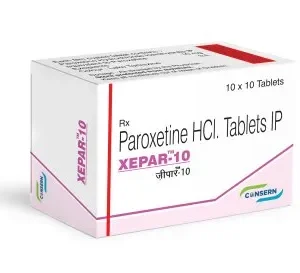
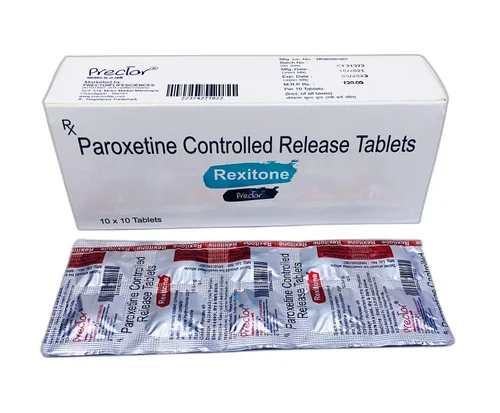
10 mg of paxil
Please Note: This description is for informational purposes only and does not constitute medical advice. Paxil (paroxetine) is a prescription medication that should only be taken under the guidance and supervision of a qualified healthcare professional.
Paxil (Paroxetine) 10 mg – For Medical Use Under Prescription
Overview: Paxil (paroxetine) 10 mg is a prescribed medication belonging to a class of drugs known as Selective Serotonin Reuptake Inhibitors (SSRIs). It is primarily used to treat various mental health conditions by helping to restore the balance of a certain natural substance (serotonin) in the brain.
Key Features & Indications: Each tablet contains 10 mg of paroxetine, formulated for oral administration. Paxil 10 mg may be prescribed by your doctor to help manage symptoms associated with:
- Major Depressive Disorder (MDD): Helps improve mood, sleep, appetite, and energy level.
- Obsessive-Compulsive Disorder (OCD): Reduces persistent, unwanted thoughts (obsessions) and repetitive behaviors (compulsions).
- Panic Disorder: Lessens the frequency and severity of panic attacks.
- Social Anxiety Disorder (Social Phobia): Helps reduce extreme fear of social situations.
- Generalized Anxiety Disorder (GAD): Calms excessive worry and tension.
- Post-Traumatic Stress Disorder (PTSD): Alleviates symptoms like flashbacks and severe anxiety after a traumatic event.
How It Works: Paroxetine works by increasing the amount of serotonin, a neurotransmitter, in the brain. Serotonin is involved in regulating mood, emotions, and sleep, and an imbalance can contribute to mood and anxiety disorders.
Important Usage Information:
- Prescription Only: Paxil 10 mg requires a valid prescription from a licensed healthcare provider.
- Dosage: Your doctor will determine the appropriate dose for your condition, which may start at 10 mg and be adjusted over time. Always follow your doctor’s instructions meticulously.
- Administration: Typically taken once daily, usually in the morning, with or without food.
- Onset of Action: It may take several weeks (often 2-4 weeks) for the full therapeutic effects of Paxil to become apparent. Continue taking the medication as prescribed, even if you don’t feel immediate improvement.
- Do Not Stop Abruptly: It is crucial not to stop taking Paxil suddenly without consulting your doctor. Abrupt discontinuation can lead to withdrawal symptoms (discontinuation syndrome) such as dizziness, sensory disturbances, sleep disturbances, agitation, or anxiety. Your doctor will guide you on a gradual tapering schedule if the medication needs to be stopped.
CRITICAL SAFETY INFORMATION & WARNINGS:
- BLACK BOX WARNING: Antidepressants, including Paxil, may increase the risk of suicidal thoughts and behavior in children, adolescents, and young adults (up to 24 years of age) with Major Depressive Disorder and other psychiatric disorders. Close monitoring is required for any changes in behavior, worsening of depression, or emergence of suicidal ideation.
- Potential Side Effects: Like all medications, Paxil can cause side effects. Common side effects may include nausea, insomnia, drowsiness, dry mouth, sweating, tremors, and sexual dysfunction. Serious side effects are less common but can occur. Discuss all potential side effects with your doctor.
- Drug Interactions: Paxil can interact with other medications, including other antidepressants, blood thinners, certain migraine medications, and herbal supplements like St. John’s Wort. Always inform your doctor about all medications and supplements you are taking.
- Medical Conditions: Inform your doctor if you have a history of bipolar disorder, seizures, heart problems, liver or kidney disease, glaucoma, or if you are pregnant or breastfeeding.
- Alcohol: Avoid consuming alcohol while taking Paxil, as it can worsen side effects.
Always consult with a qualified healthcare professional before starting, stopping, or changing any medication, including Paxil 10 mg. They can provide personalized advice based on your individual health needs and medical history.
Showing all 2 results
-
ANXIETY MANAGEMENT PILLS
Paxil 10 mg
Original price was: €24.99.€17.99Current price is: €17.99. Add to cart